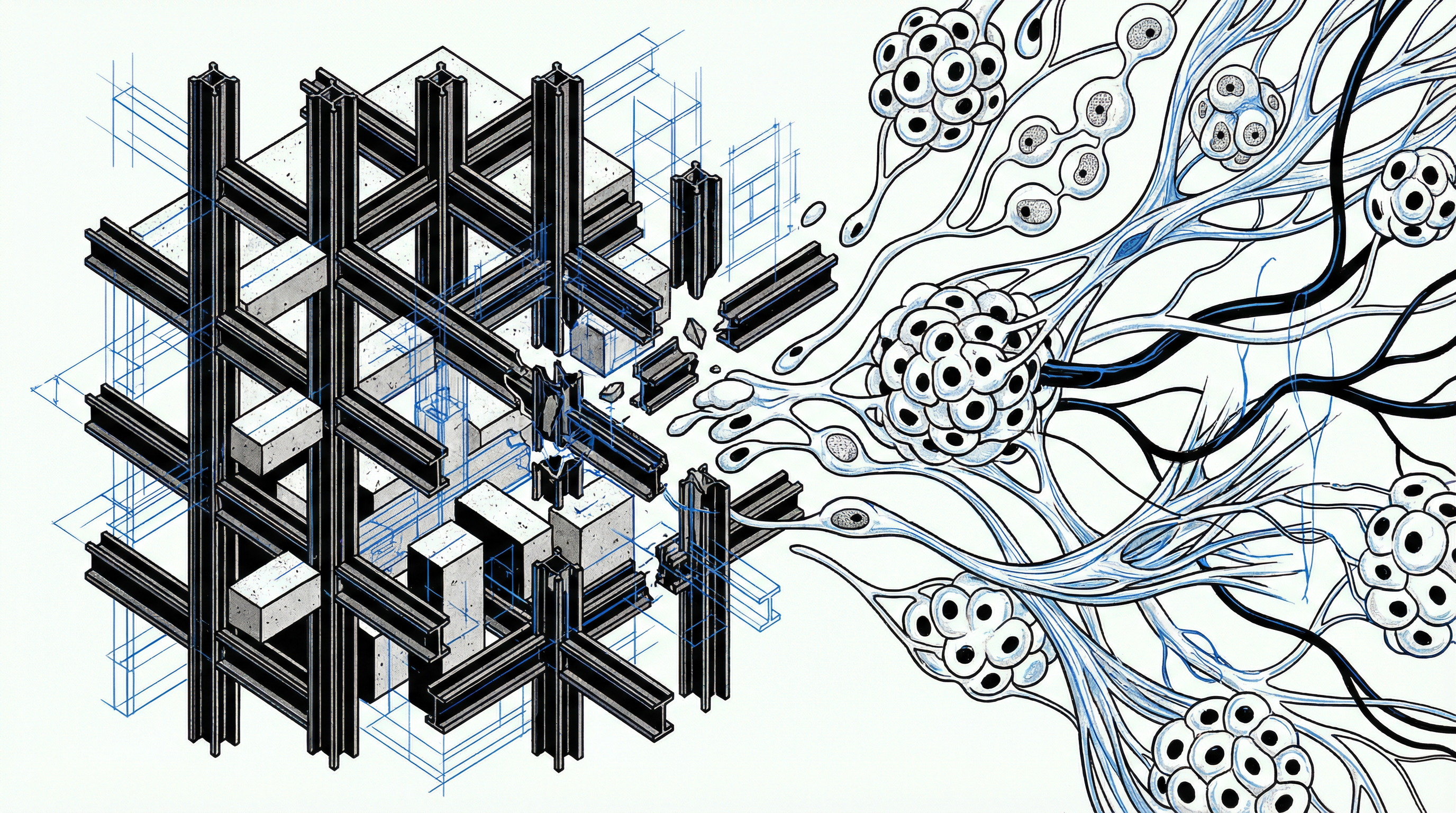
Regenerative
Medicine
"Unlike traditional therapies that provide temporary symptom relief, regenerative approaches aim to restore the damaged tissues and physiological mechanisms."
LiSWT
Low-Intensity Shockwave Therapy
Uses focused acoustic waves to create controlled microtrauma in penile tissue. This triggers a biological healing response.
- → Induces Neovascularization (New Vessels)
- → Stimulates VEGF Secretion
- → Promotes Nerve Regeneration
Promising for Vasculogenic ED. Effects can last 1-2 years. Non-invasive.

PRP Therapy
Platelet-Rich Plasma ("P-Shot")
Injecting concentrated platelets from the patient's own blood. Platelets release growth factors upon activation.
Improvements seen in 2-4 weeks. Lasts 12-18 months. Synergistic with Shockwave.
Stem Cells
Mesenchymal Stem Cells (MSCs)
The cutting edge. Stem cells work primarily through paracrine effects—secreting a cocktail of healing factors to regenerate tissue.
Potential to address underlying pathology rather than manage symptoms.
Experimental but promising. Early trials show safety and efficacy. Optimal protocols being defined.